

Hey there! I'm a supplier of Special Alloy Steel Castings, and today I wanna chat about what goes into the cost of producing these bad boys.

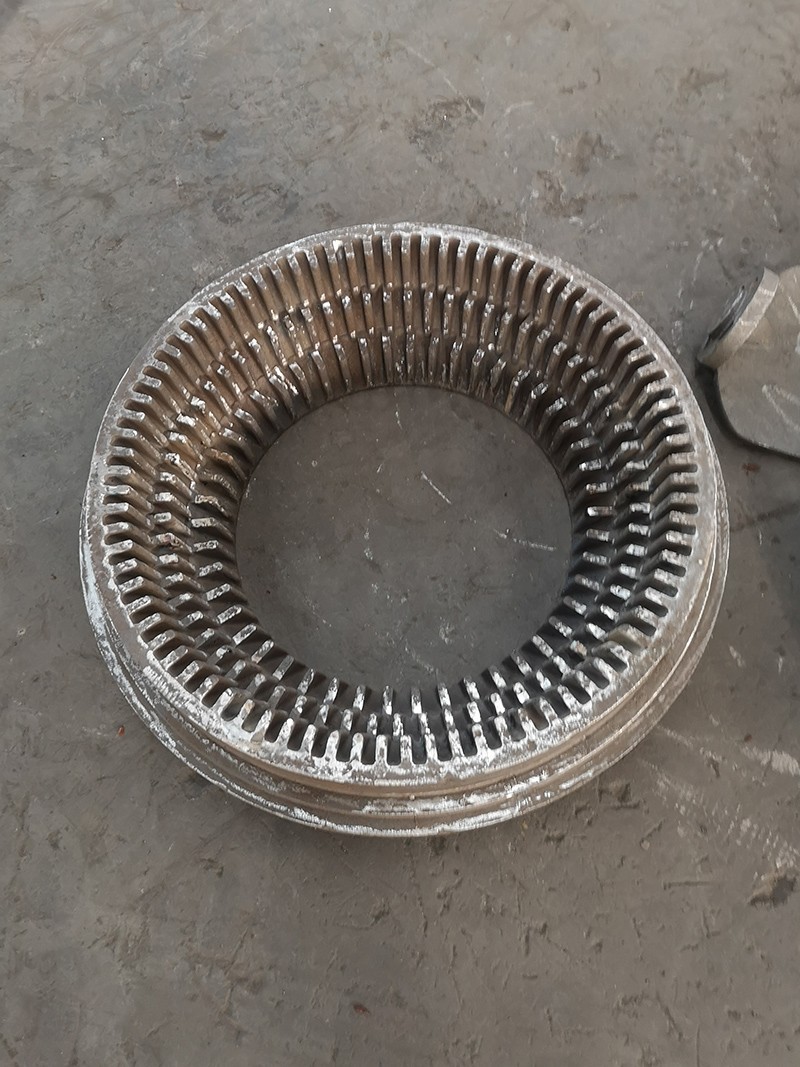
First off, let's understand what Special Alloy Steel Castings are. They're basically steel castings that have special alloying elements added to them to give them unique properties. These can include things like Corrosion Resistant Steel Castings, which are super useful in environments where rust and corrosion are big problems, and High-temperature Resistant Steel Castings, which can withstand extreme heat without losing their strength. You can check out more about Special Alloy Steel Castings on our website.
Raw Materials
The cost of raw materials is a huge part of the overall production cost. Special alloy steel requires specific elements like chromium, nickel, molybdenum, and others, depending on the desired properties of the final casting. These alloying elements are often not as common as regular steel ingredients, so they can be pretty expensive.
For example, nickel is a key component in many corrosion-resistant alloys. The price of nickel can fluctuate a lot based on global supply and demand. If there's a shortage of nickel on the market, the cost of producing corrosion-resistant special alloy steel castings will go up. And it's not just about the cost of the elements themselves; there are also costs associated with sourcing high-quality raw materials. We need to make sure the materials we use meet strict quality standards to ensure the final castings are top-notch.
Manufacturing Process
The manufacturing process for special alloy steel castings is complex and involves several steps. First, there's the melting stage. We have to heat the raw materials to extremely high temperatures in a furnace to turn them into a molten state. This requires a lot of energy, and energy costs can be a significant factor.
Once the steel is molten, it's poured into a mold. Creating these molds is another cost. Depending on the complexity of the casting, the mold can be made of different materials, such as sand or ceramic. Precision molds for complex shapes are more expensive to make.
After pouring, the casting has to go through a cooling process. This needs to be carefully controlled to avoid defects like cracks or uneven cooling, which could affect the quality of the casting. And then there are the finishing processes, like machining, grinding, and heat treatment. Machining is used to achieve the exact dimensions and surface finish required, and it involves using specialized equipment and skilled labor. Heat treatment is often necessary to improve the mechanical properties of the casting, but it also adds to the overall cost.
Quality Control
Quality control is non-negotiable when it comes to special alloy steel castings. These castings are used in critical applications, like in the aerospace, automotive, and energy industries. So, we have to make sure every single casting meets the required specifications.
We use a variety of testing methods, such as non-destructive testing (NDT) techniques like ultrasonic testing, magnetic particle testing, and radiographic testing. These methods help us detect any internal or surface defects without damaging the casting. There are also destructive testing methods, where we might cut a sample from the casting to test its mechanical properties. All these testing procedures require specialized equipment and trained personnel, which adds to the production cost.
Labor
Skilled labor is essential for producing high-quality special alloy steel castings. From the furnace operators who control the melting process to the machinists who finish the castings, each step requires expertise.
Training these workers takes time and resources. They need to be familiar with the specific properties of special alloy steels, the operation of specialized equipment, and the quality control procedures. And let's not forget about the cost of wages and benefits. In many regions, finding and retaining skilled workers in the metal casting industry can be a challenge, so we may need to offer competitive compensation packages to attract and keep the best talent.
Research and Development
We're always looking for ways to improve our products and processes. Research and development (R&D) is an ongoing effort in our company. We invest in R&D to develop new alloys with better properties, more efficient manufacturing processes, and ways to reduce production costs without sacrificing quality.
For example, we might be working on a new alloy that uses less of an expensive alloying element while still maintaining the same level of corrosion resistance. Or we could be exploring new casting techniques that reduce energy consumption. However, R&D is expensive. It involves conducting experiments, hiring researchers, and investing in new equipment and technology.
Overhead Costs
There are also overhead costs to consider. These include things like rent for the manufacturing facility, maintenance of equipment, insurance, and administrative expenses. The manufacturing facility needs to be a safe and efficient working environment, which means regular maintenance and upgrades.
Equipment maintenance is crucial to ensure the smooth operation of the production process. If a furnace breaks down, it can cause delays and increase costs. Insurance is necessary to protect the business from potential risks, such as accidents or product liability. And administrative expenses, like office supplies, salaries for administrative staff, and marketing costs, all add up.
Market Factors
Finally, market factors can influence the cost of producing special alloy steel castings. Competition in the industry can put pressure on prices. If there are a lot of suppliers offering similar products, we may need to find ways to reduce our costs to stay competitive.
On the other hand, customer demand can also affect costs. If there's a high demand for a particular type of special alloy steel casting, we may need to increase production capacity. This could involve investing in new equipment or hiring more workers, which would increase costs in the short term.
So, as you can see, there are many factors that contribute to the cost of producing special alloy steel castings. It's not just a simple matter of melting some steel and pouring it into a mold. It's a complex process that requires careful consideration of raw materials, manufacturing processes, quality control, labor, R&D, overhead costs, and market factors.
If you're in the market for high-quality Special Alloy Steel Castings, we'd love to talk to you. We have the expertise and experience to provide you with the best products at a competitive price. Don't hesitate to reach out and start a conversation about your specific needs.
References
- "Metallurgy of Special Alloy Steels" - A comprehensive book on the properties and production of special alloy steels.
- Industry reports on the global market for alloying elements and their price trends.
- Technical papers on advanced manufacturing processes for steel castings.


