

Wear resistant steel castings are widely used in various industries due to their excellent performance in resisting wear and abrasion. As a supplier of wear resistant steel castings, I understand the importance of safety regulations when it comes to their use. In this blog, I'll share some key safety regulations that users should keep in mind.
1. Handling and Storage
When it comes to handling wear resistant steel castings, it's crucial to use proper lifting equipment. These castings can be quite heavy, and using the wrong equipment can lead to accidents. For example, chain slings or wire ropes should be checked for any signs of damage before use. If there are any cuts, frays, or other visible issues, they should not be used.
During storage, wear resistant steel castings should be placed on a stable and flat surface. Stacking them too high can cause instability, increasing the risk of them toppling over. It's also a good idea to separate different sizes and types of castings to avoid confusion and potential damage.
2. Installation
Before installation, make sure the installation site is clean and free of any debris. This helps to ensure a proper fit and reduces the risk of the casting being damaged during installation. When installing, use the correct tools and follow the manufacturer's instructions carefully.
For example, if the casting needs to be bolted in place, make sure the bolts are tightened to the correct torque. Over - tightening can cause the casting to crack, while under - tightening can lead to the casting becoming loose over time.
If you're working with large or complex wear resistant steel castings, it might be a good idea to have a professional installer on site. They have the experience and knowledge to handle the installation safely and correctly.

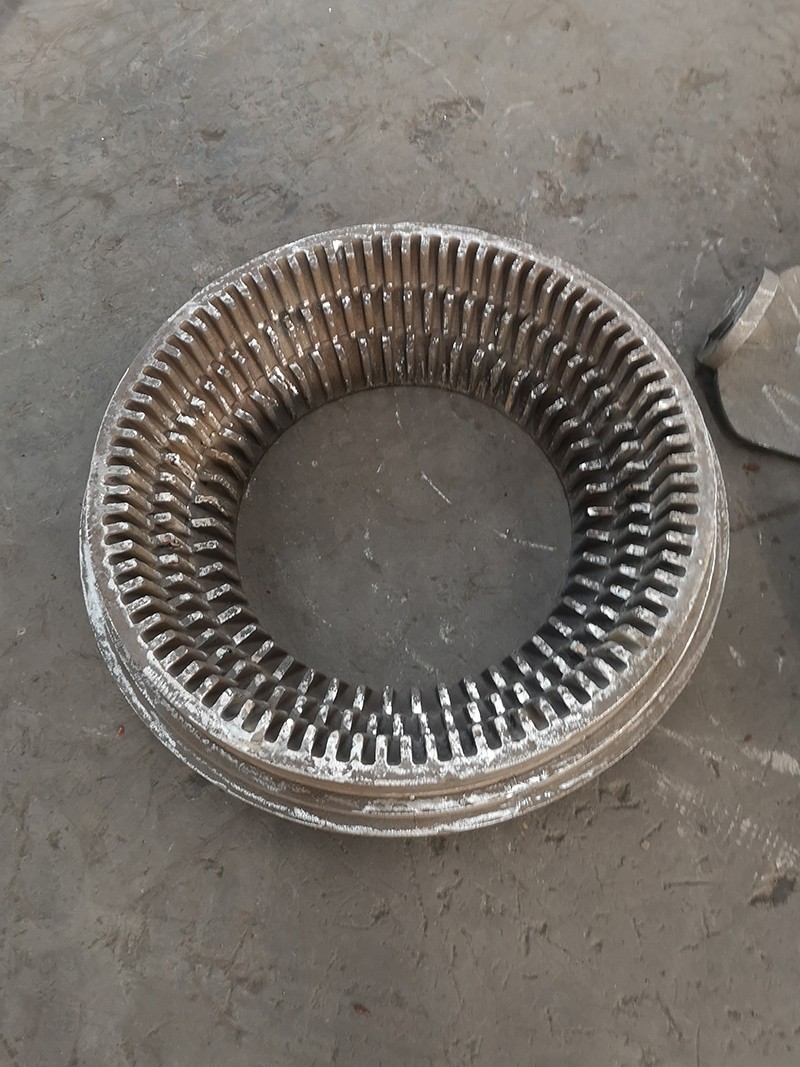
3. Operation
During operation, it's important to monitor the wear resistant steel castings regularly. Look for any signs of wear, such as excessive scratching, chipping, or cracking. If any of these issues are detected, take immediate action.
For example, if the casting is part of a machine, shut down the machine as soon as possible to prevent further damage. In some cases, it might be possible to repair the casting, but in others, it may need to be replaced.
Also, make sure the operating conditions are within the recommended range. For instance, if the casting is designed to work within a certain temperature range, don't operate it outside of that range. High temperatures can cause the casting to lose its hardness and strength, while low temperatures can make it more brittle.
4. Maintenance
Regular maintenance is key to ensuring the long - term safety and performance of wear resistant steel castings. This includes cleaning the castings regularly to remove any dirt, dust, or other contaminants.
Lubrication is also important, especially if the casting is part of a moving mechanism. Use the recommended lubricant and apply it at the correct intervals. This helps to reduce friction and wear, extending the life of the casting.
In addition, perform regular inspections to check for any signs of corrosion. Although wear resistant steel castings are designed to be resistant to wear, they can still be affected by corrosion in certain environments. If corrosion is detected, take appropriate measures to treat it, such as applying a protective coating.
5. Training
All personnel who work with wear resistant steel castings should receive proper training. This training should cover handling, installation, operation, and maintenance.
For example, new employees should be trained on how to use the lifting equipment safely, how to install the castings correctly, and how to monitor them during operation. Regular refresher courses can also be beneficial to keep everyone up - to - date on the latest safety regulations and best practices.
6. Compatibility
When using wear resistant steel castings, it's important to ensure compatibility with other components in the system. For example, if the casting is being used in a machine, make sure it is compatible with the other parts in terms of size, shape, and material properties.
Incompatible components can cause problems such as excessive wear, vibration, or even failure of the entire system. So, always double - check the compatibility before using the casting in a particular application.
Related Products
If you're interested in other types of steel castings, we also offer Special Alloy Steel Castings, Corrosion Resistant Steel Castings, and Industrial Steel Castings. These products have their unique features and are suitable for different applications.
Contact for Purchase
If you're in the market for high - quality wear resistant steel castings or any of our other products, don't hesitate to reach out. We're always ready to discuss your specific needs and provide you with the best solutions. Whether you have a small - scale project or a large - scale industrial application, we can help you find the right casting for your requirements.
References
- "Steel Castings Handbook" by ASM International
- "Wear and Abrasion Resistance of Metals" by Elsevier


