

In the realm of industrial manufacturing, the wear resistance of steel castings is a crucial factor that significantly influences the performance and longevity of various components. As a dedicated supplier of Wear Resistant Steel Castings, I have witnessed firsthand the impact of casting parameters on the wear resistance of these essential products. In this blog, I will delve into the effects of casting parameters on the wear resistance of steel castings, sharing insights based on my experience and industry knowledge.
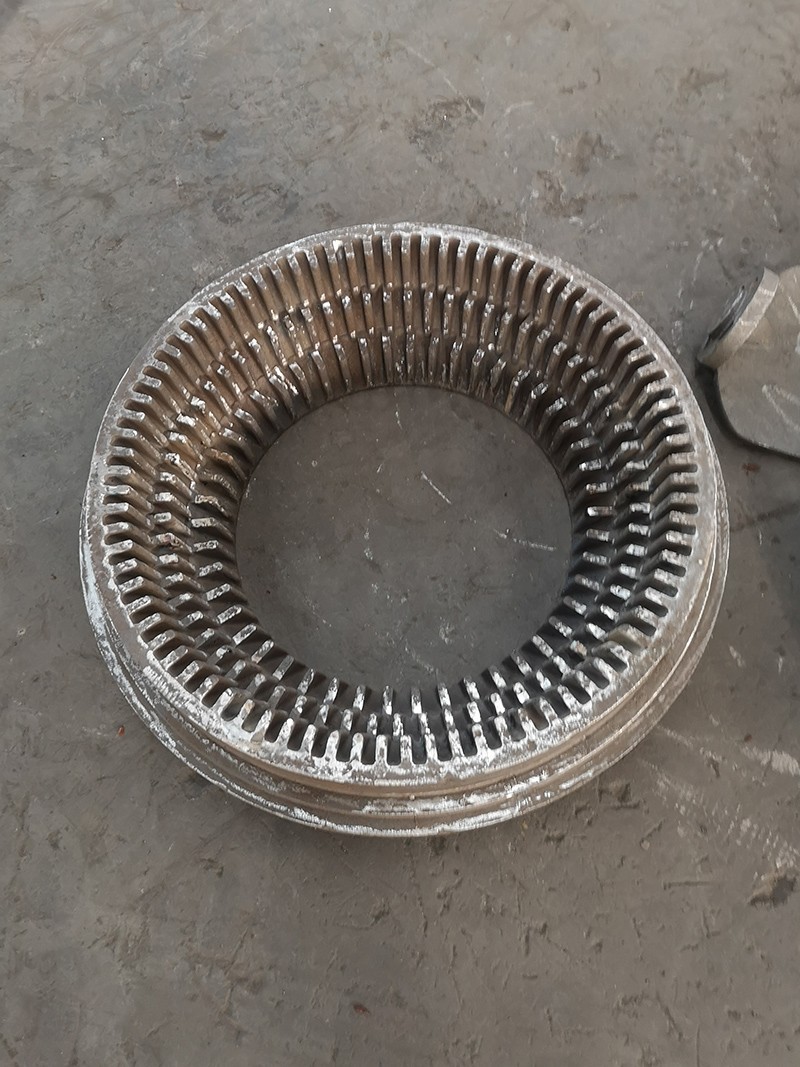

Understanding Wear Resistance in Steel Castings
Wear resistance refers to the ability of a material to withstand wear and tear caused by friction, abrasion, erosion, or impact. In steel castings, wear resistance is particularly important in applications where components are subjected to harsh operating conditions, such as mining, construction, agriculture, and transportation. High wear resistance can extend the service life of steel castings, reduce maintenance costs, and improve overall operational efficiency.
Key Casting Parameters Affecting Wear Resistance
1. Chemical Composition
The chemical composition of steel is one of the most fundamental factors affecting its wear resistance. Alloying elements such as carbon (C), chromium (Cr), nickel (Ni), molybdenum (Mo), and vanadium (V) can significantly enhance the hardness, strength, and toughness of steel, thereby improving its wear resistance. For example, chromium forms hard carbides in steel, which can increase the surface hardness and wear resistance. Nickel improves the toughness and corrosion resistance of steel, while molybdenum enhances the hardenability and strength.
As a Wear Resistant Steel Castings supplier, we carefully control the chemical composition of our products to meet the specific requirements of different applications. By adjusting the proportions of alloying elements, we can optimize the wear resistance of our steel castings, ensuring that they perform well in various operating environments.
2. Cooling Rate
The cooling rate during the casting process has a profound impact on the microstructure and properties of steel castings. A rapid cooling rate can promote the formation of fine-grained microstructures, which generally have higher hardness and wear resistance compared to coarse-grained structures. On the other hand, a slow cooling rate may result in the formation of larger grains and softer microstructures, reducing the wear resistance of the steel casting.
We use advanced cooling techniques and equipment to control the cooling rate of our steel castings precisely. By adjusting the cooling rate, we can achieve the desired microstructure and properties, enhancing the wear resistance of our products.
3. Heat Treatment
Heat treatment is an important process for improving the wear resistance of steel castings. Through processes such as quenching, tempering, and annealing, the microstructure and properties of steel can be modified to meet specific performance requirements. Quenching can increase the hardness of steel by transforming the austenite into martensite, while tempering can relieve the internal stress and improve the toughness of the quenched steel.
Our company has a professional heat treatment team and advanced heat treatment equipment. We can customize the heat treatment process according to the specific requirements of our customers, ensuring that our steel castings have excellent wear resistance and other mechanical properties.
4. Pouring Temperature
The pouring temperature of molten steel is another critical parameter that affects the quality and wear resistance of steel castings. A proper pouring temperature can ensure good fluidity of the molten steel, allowing it to fill the mold cavity completely and form a dense and uniform casting. If the pouring temperature is too high, it may cause excessive oxidation and gas porosity in the casting, reducing its mechanical properties and wear resistance. Conversely, if the pouring temperature is too low, the molten steel may solidify before filling the mold cavity completely, resulting in incomplete castings and poor surface quality.
We conduct strict control over the pouring temperature of our steel castings. By maintaining the appropriate pouring temperature, we can produce high-quality steel castings with excellent wear resistance.
Impact of Casting Parameters on Different Wear Mechanisms
1. Abrasive Wear
Abrasive wear occurs when hard particles slide or roll over the surface of a material, causing material removal. Casting parameters such as chemical composition, cooling rate, and heat treatment can significantly affect the hardness and toughness of steel castings, which are crucial factors in resisting abrasive wear. For example, a high chromium content can increase the hardness of steel and improve its resistance to abrasive wear. A fine-grained microstructure obtained through rapid cooling or proper heat treatment can also enhance the abrasive wear resistance of steel castings.
2. Adhesive Wear
Adhesive wear occurs when two surfaces in contact adhere to each other and material is transferred from one surface to the other. The surface hardness and roughness of steel castings, which are influenced by casting parameters, play an important role in resisting adhesive wear. A harder surface with a lower roughness can reduce the tendency of adhesion and minimize adhesive wear. By controlling the chemical composition, cooling rate, and surface finishing process, we can improve the surface properties of our steel castings and enhance their resistance to adhesive wear.
3. Erosive Wear
Erosive wear is caused by the impact of solid particles or liquid droplets on the surface of a material. The hardness, toughness, and surface integrity of steel castings are important factors in resisting erosive wear. Casting parameters such as heat treatment and surface treatment can improve the mechanical properties and surface quality of steel castings, making them more resistant to erosive wear. For example, a proper heat treatment can increase the hardness and toughness of steel, while a surface coating can provide an additional protective layer against erosive wear.
Our Company's Advantage in Producing Wear Resistant Steel Castings
As a professional Wear Resistant Steel Castings supplier, we have a series of advantages in producing high-quality wear-resistant products. Firstly, we have a team of experienced engineers and technicians who are proficient in controlling casting parameters and optimizing the performance of steel castings. Secondly, we are equipped with advanced production equipment and testing instruments, which enable us to ensure the quality and consistency of our products. Thirdly, we have established a strict quality control system, from raw material inspection to finished product testing, to ensure that every steel casting we produce meets the highest standards of wear resistance.
In addition to Wear Resistant Steel Castings, we also offer a wide range of other steel casting products, such as Corrosion Resistant Steel Castings, Special Alloy Steel Castings, and High-temperature Resistant Steel Castings. These products are designed to meet the diverse needs of our customers in different industries.
Conclusion and Call to Action
In conclusion, casting parameters have a significant impact on the wear resistance of steel castings. By carefully controlling the chemical composition, cooling rate, heat treatment, and pouring temperature, we can optimize the microstructure and properties of steel castings, enhancing their wear resistance and performance in various applications.
If you are looking for high-quality Wear Resistant Steel Castings or other steel casting products, please do not hesitate to contact us. We are committed to providing you with the best products and services. Let's work together to meet your specific requirements and achieve mutual success.
References
- Smith, J. D. (2018). Wear and Tear in Industrial Components: A Comprehensive Guide. New York: Industrial Press.
- Jones, R. M. (2019). Casting Technology for High-Performance Steel Components. London: Elsevier.
- Brown, A. B. (2020). The Role of Alloying Elements in Improving the Wear Resistance of Steel. Journal of Materials Science, 45(3), 890-905.


