

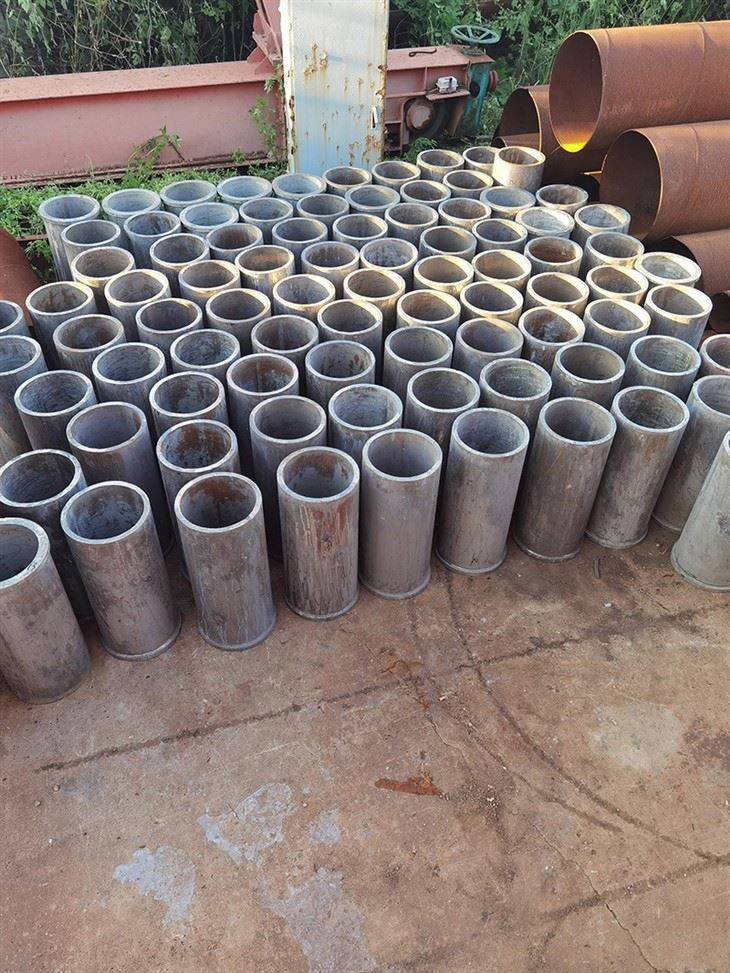
Selecting the appropriate size of heat treatment furnace tanks is a critical decision that can significantly impact the efficiency, productivity, and cost - effectiveness of your heat treatment processes. As a seasoned supplier of Heat Treatment Furnace Tanks, I understand the complexities involved in this choice. In this blog, I will guide you through the key factors to consider when determining the right size for your heat treatment furnace tanks.
Production Volume
One of the primary considerations when choosing the size of heat treatment furnace tanks is your production volume. If you have a high - volume production line, you will need larger tanks to accommodate more parts at once. This reduces the number of batches required for heat treatment, thereby increasing overall productivity. For example, in an automotive manufacturing plant where thousands of engine components need to be heat - treated daily, large - scale heat treatment furnace tanks are essential.
Conversely, if your production volume is low, smaller tanks might be more suitable. Smaller tanks require less energy to heat, which can lead to cost savings in the long run. They also take up less floor space, which is beneficial for facilities with limited space. For instance, a small - scale jewelry manufacturing workshop that only heat - treats a few pieces of jewelry each day can opt for a compact heat treatment furnace tank.
Part Size and Geometry
The size and geometry of the parts you plan to heat - treat play a crucial role in determining the tank size. You need to ensure that the tank is large enough to hold the parts without overcrowding. Overcrowding can lead to uneven heat distribution, which may result in inconsistent heat treatment quality. For example, if you are heat - treating long, cylindrical shafts, you will need a tank with sufficient length and diameter to accommodate these parts without bending or distorting them.
On the other hand, if you are dealing with small, intricate parts, a tank with multiple compartments or a specialized racking system might be more appropriate. This allows you to separate the parts and ensure uniform heat treatment. For instance, in the electronics industry, where small circuit boards are heat - treated, a tank with a well - designed internal structure can optimize the heat treatment process.
Heat Treatment Process Requirements
Different heat treatment processes have different requirements in terms of tank size. For example, processes such as annealing, which require a slow and controlled cooling rate, may benefit from larger tanks. Larger tanks can hold more heat and provide a more stable thermal environment during the cooling process.
In contrast, processes like quenching, which involve rapid cooling, may require smaller tanks. Smaller tanks can cool down more quickly, allowing for a more efficient quenching process. Additionally, some heat treatment processes may require specific tank dimensions to achieve the desired metallurgical properties. For example, certain alloy steels may need a tank with a specific height - to - diameter ratio to ensure proper grain refinement during heat treatment.

Energy Efficiency
Energy efficiency is an important factor to consider when choosing the size of heat treatment furnace tanks. Larger tanks generally require more energy to heat up and maintain the desired temperature. However, if they are used to heat - treat a large number of parts at once, the energy cost per part may be lower.
Smaller tanks, on the other hand, consume less energy during the heating process. But if they are used for high - volume production, the frequent heating and cooling cycles may increase the overall energy consumption. Therefore, it is essential to find a balance between tank size and energy efficiency based on your production requirements.
Space Constraints
The available space in your facility is another practical consideration. You need to ensure that the heat treatment furnace tank can fit into the designated area without causing any obstructions. If your facility has limited floor space, you may need to opt for a vertical or compact tank design.
Some modern heat treatment furnace tanks are designed to be modular, which allows you to expand or reconfigure the system as your production needs change. This flexibility can be particularly useful for facilities with limited space or those planning for future growth.
Compatibility with Other Furnace Components
The size of the heat treatment furnace tank should be compatible with other components of the furnace, such as Heat Treatment Furnace Doors, Heat Treatment Furnace Bottom Plates, and Heat Treatment Furnace Tubes. For example, the door size should be large enough to allow easy loading and unloading of parts from the tank.
The bottom plate should be able to support the weight of the tank and the parts inside it. And the tubes should be properly sized to ensure efficient heat transfer within the tank. Incompatible components can lead to operational issues and reduced efficiency.
Cost Considerations
Cost is always a significant factor in any purchasing decision. Larger heat treatment furnace tanks generally have a higher upfront cost. However, they may offer long - term cost savings through increased productivity and energy efficiency. Smaller tanks, on the other hand, are usually less expensive to purchase but may have higher operating costs if they are not used efficiently.
It is important to consider the total cost of ownership, which includes the purchase price, installation cost, energy cost, maintenance cost, and potential downtime cost. By evaluating these costs carefully, you can make an informed decision about the most cost - effective tank size for your business.
Conclusion
Choosing the right size of heat treatment furnace tanks is a multi - faceted decision that requires careful consideration of various factors. By taking into account your production volume, part size and geometry, heat treatment process requirements, energy efficiency, space constraints, compatibility with other furnace components, and cost considerations, you can select a tank that meets your specific needs.
If you are in the process of selecting a heat treatment furnace tank or have any questions about our products, I encourage you to reach out to us for a detailed consultation. Our team of experts is ready to assist you in making the best choice for your heat treatment operations.
References
- "Heat Treatment Principles and Techniques" by John C. Benedetti
- "Metallurgy for the Non - Metallurgist" by George E. Totten
- Industry reports on heat treatment furnace technology and market trends.


